
A Review of “Sex, Gender & Identity: Trans Rights in Australia” by Paula Gerber
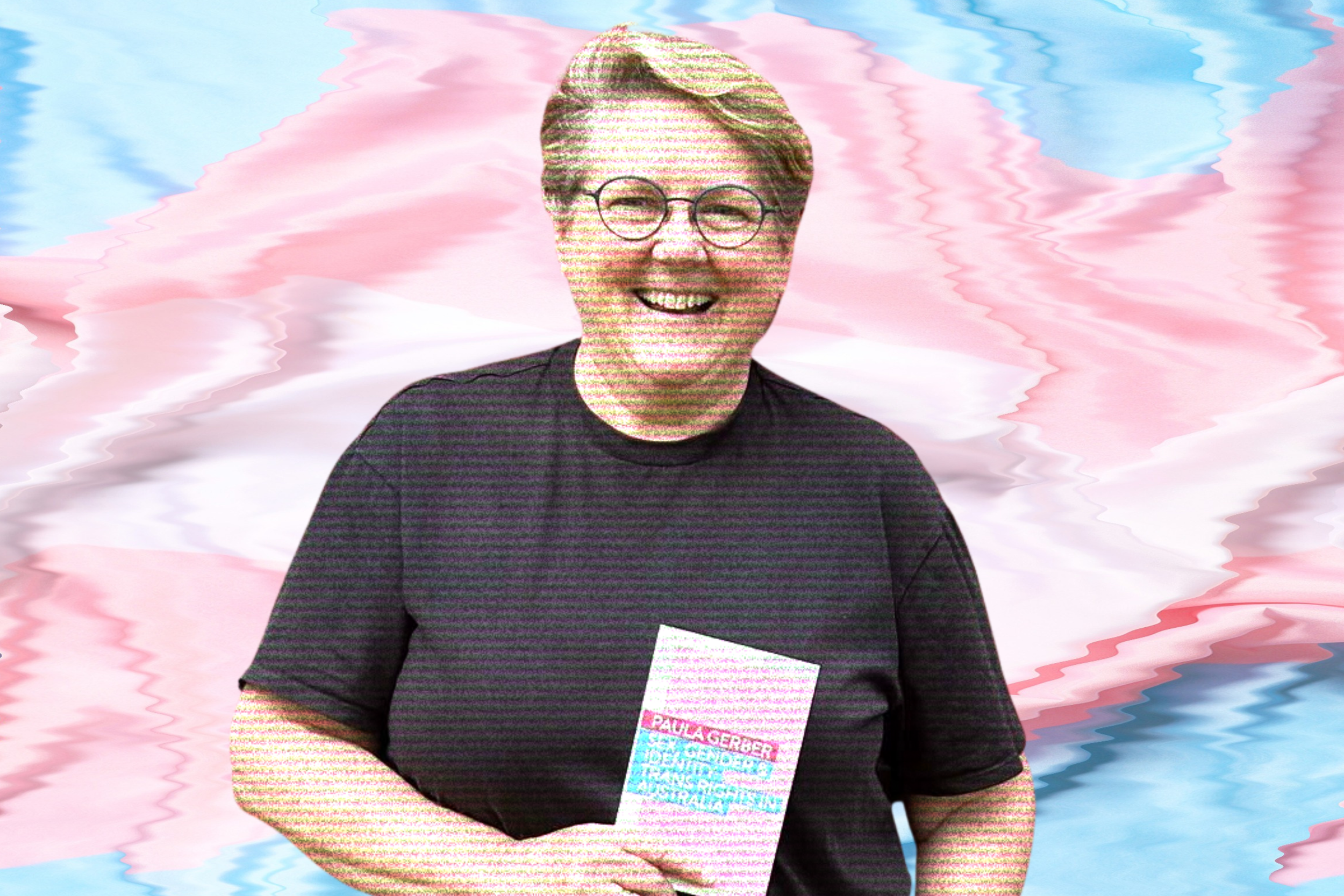
In Lewis Carroll's 'Through the Looking Glass', the White Queen boasts of the ability to believe as many as six impossible things before breakfast. The White Queen is a rank amateur compared to the legal scholar Paula Gerber, whose capacity for believing impossible things is immeasurable. Some of the impossible things that Paula believes in are that trans women can successfully breastfeed; biological sex is on a spectrum; human beings can change sex; trans women are women and trans men are men. Indeed, after having read Paula's book (so you don't have to), I would argue that this book is little more than a jumble of impossible things strung together and then padded out with faux-intellectual babble.
From an LGB perspective, the deepest problem is that Gerber's framework erases the basis of same-sex attraction. If 'man' and 'woman' are defined by gender identity rather than sex, then 'lesbian', 'gay' and 'bisexual' lose their meaning, since same-sex attraction depends on sex being real.
Paula confesses that she is related to many medical professionals who all vehemently disagree with how she defines sex. Paula, however, dismisses their concerns, promising that she will encourage them and us to have a more expansive perspective. Indeed, Paula's worldview is so expansive that, rather than referring to men and women, she prefers to use the terms 'people having a testosterone-dominant or oestrogen-dominant endocrine profile'. Sex is (apparently) a much more complicated concept than it first seems, and the idea that there are only two sexes is laughably outdated. However, if the sex binary doesn't exist, what remains is the nebulous concept of 'gender'. Lesbians, gay men and bisexuals are starting to organise against this ideology, which effectively erases same-sex attraction, whilst remaining respectful of the humanity of people who identify as trans or gender-diverse.
This book is a great example of how trans ideology turns everything on its head. Paula does not analyse issues around trans and gender-diverse children and young people – which, for a supposedly academic book, is an astonishing omission considering the impact of so-called gender-affirming care on minors, not to mention the increasingly concerning research that is being published outlining the poor evidence base for such procedures. What Paula is most concerned about is transwomen (i.e. men) as, according to Paula, they experience the greatest violence, persecution and vilification because of intersectional discrimination – that is, they are attacked for being trans and for being women. Whilst acknowledging that trans people can be on the receiving end of violence and abuse, it is also true that trans women are men, and men don't get persecuted for being women. In fact, the evidence tends to point to trans women being the persecutors rather than the persecuted in some cases.
Paula goes on to state that trans and gender-diverse people have to deal with extreme levels of hostility, as well as a veritable tsunami of anti-trans laws and policies. She assures us that transphobic violence is escalating and a moral panic is being whipped up against trans and gender-diverse people. Paula takes a moment to outline four highly offensive and disrespectful terms that we must avoid at all costs when communicating with this besieged minority:
Deadnaming - the act of referring to a transgender or non-binary person by their birth name – must be avoided at all costs, as it is an odious practice which is hurtful, invalidates trans people's gender identity, could compromise their privacy and safety, and is considered a microaggression.
Misgendering - where a person uses pronouns, honorifics or gendered terms that do not align with an individual's affirmed gender identity – even when this happens unintentionally, makes trans people feel invalidated and unsafe.
The phrase 'gender ideology' is a term that dehumanises transgender people and implies that being trans is an ideology rather than an identity. This term is designed to foster fear, misinformation and discrimination.
Transwoman written as a single word is offensive because it separates trans women from other women and implies they are a distinct or lesser category of women. The correct terminology is trans woman.
This consideration, however, only flows one way, presumably because trans and gender-diverse people are so traumatised from having to deal with daily hostility that they don't have any reserves of kindness left to draw on. Paula even says that trans and gender-diverse people can be harmed by silent gestures, looks and even unspoken words (what?). Apparently, lecturing people on what to think will encourage us all to be trans allies. Paula does trans and gender-diverse people no favours here by taking on a hectoring tone rather than seeking to find common ground, which a more conciliatory approach might encourage.
Paula's book is often incoherent and frequently jumbles up sexual orientation and gender identity; mentions 'intersex' people quite often, although to no real effect; throws in a bit of history – Joan of Arc may have been non-binary because she had short hair – berates lesbians and gay men for having their own organisations that don't campaign for trans and gender-diverse rights, yet fails to mention how the TQ+ has inserted itself into many of these organisations and destroyed them from the inside; trots out tired examples of gender-nonconformity and sex stereotypes as evidence of trans identities. And on and on...
In short, this really is an irritating book that does little to foster understanding around the contentious issue of gender ideology, and can be summed up thus:
Trans and Gender-Diverse People - Good. Everyone Else - Bad.